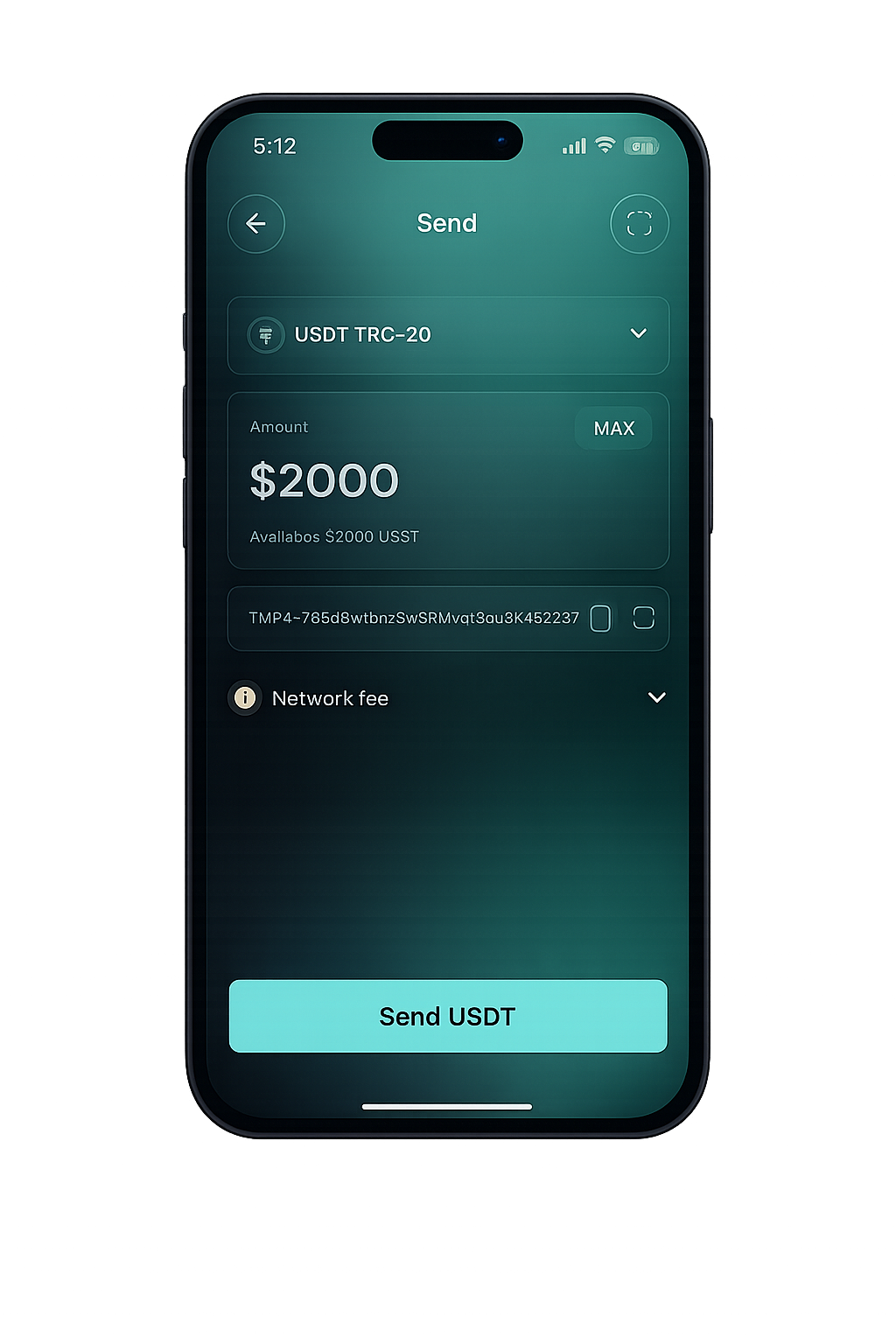
TRC20 vs ERC20: Which Network Is Best for Everyday USDT Transfers?
When it comes to transferring USDT (Tether), two prominent blockchain networks often come to mind – TRC20 and ERC20. Each network has its own set of advantages and limitations, and choosing between them can depend on several factors like fees, speed, and compatibility. Below, we break down their core differences so you can make informed decisions for regular transactions.
Transaction Fees
One of the primary differences between TRC20 vs ERC20 lies in transaction fees. TRC20, operating on the Tron network, is widely appreciated for its minimal fees. Users often benefit from sending USDT at extremely low cost, sometimes even for free, depending on the wallet or platform they’re using.
On the other hand, ERC20 runs on Ethereum, which is known for its gas fees. While Ethereum is a powerhouse in the blockchain world, high demand on this network often leads to volatile fees. For small or frequent transactions, these costs may add up, making ERC20 less appealing for some users.
Speed of Transfers
Speed is another significant factor when comparing these networks. TRC20 transactions are typically confirmed within seconds, as the Tron network is designed to handle high transaction volumes efficiently. This makes it a reliable choice for those who prioritize speed.
ERC20, while secure and well-established, can experience delays during times of network congestion. Transactions may take longer to confirm, especially during periods of high activity on the Ethereum blockchain. This delay can be a drawback for individuals requiring fast processing times.
Compatibility and Support
ERC20 is part of the Ethereum ecosystem, which has been widely adopted across decentralized applications (dApps), exchanges, and wallets. Its extensive support and long-standing reputation mean that almost every crypto wallet is compatible with ERC20 tokens.
TRC20, though newer, has gained significant adoption, with growing support from exchanges and wallets. However, it may still lack the universal integration enjoyed by ERC20, which could be a key consideration for some.
Choosing between TRC20 and ERC20 depends heavily on your priorities. If low fees and fast transfers are essential for your everyday needs, TRC20 offers a strong solution. Meanwhile, ERC20’s widespread compatibility and established infrastructure may appeal to those who value network recognition and reliability. Before transferring USDT, it’s helpful to consider these aspects and pick the network that aligns with your requirements.